
Future-Proof Your Health: Trends That Will Redefine Wellness in the Next 5 Years

Wellness is no longer just about hitting the gym or eating salads. In the next five years, health will be shaped by a combination of technology, science, and lifestyle innovations that are quietly evolving right now. From personalized nutrition to mental health tools and AI-driven fitness, the future of wellness is about precision, accessibility, and integration into daily life. By paying attention to emerging trends today, you can start future-proofing your health and staying ahead of the curve, making it easier to adapt and thrive in a rapidly changing wellness landscape.
Personalized Nutrition Goes Mainstream
Nutrition is shifting from one-size-fits-all diets to personalized solutions based on genetics, microbiome analysis, and lifestyle data. Imagine apps or services that tell you not just what to eat, but exactly which nutrients your body needs daily. This level of customization will make healthy eating more effective and easier to stick with, turning nutrition into a proactive, science-driven strategy rather than a reactive chore.
Mental Health Tech Gets Smarter

Mental health has finally emerged from the shadows, and technology is accelerating support in new ways. AI-driven apps, biofeedback devices, and virtual reality therapy are making mental wellness more accessible, personalized, and measurable. These tools can help track mood, reduce stress, improve focus, and even predict emotional dips before they fully take hold. Over the next five years, mental health tech will feel less like therapy and more like an integral part of daily life—similar to checking your steps or calories.
AI-Powered Fitness and Recovery
The fitness industry is moving beyond generic workout plans and into AI-optimized routines. Wearables and apps can now create dynamic programs tailored to your body, goals, and even real-time performance data. Recovery is also being redefined, with smart devices monitoring sleep, heart rate variability, and muscle strain to suggest precise recovery techniques. This trend means workouts will become more efficient, safer, and tuned to individual biology, making it easier for people to sustain healthy habits long-term.
Biohacking and Preventive Health on the Rise

Biohacking is evolving from niche communities into mainstream wellness, focusing on measurable interventions that optimize health before problems arise. Blood tests, hormone tracking, wearable sensors, and even personalized supplements are enabling people to anticipate issues, adjust lifestyles proactively, and track improvements in real time. The emphasis is shifting from reactive treatment to predictive, preventive strategies that maintain vitality and resilience.
Sustainable Wellness Becomes a Lifestyle Standard
The future of health isn’t just personal—it’s planetary. Eco-conscious wellness choices, from plant-based diets to low-impact fitness practices and sustainable self-care products, are gaining traction. People are starting to recognize that a healthy environment supports personal health, and vice versa. Expect this integration to accelerate, as products, gyms, and wellness programs increasingly prioritize sustainability as a core component of overall well-being.
The next five years promise to transform how we approach health and wellness. Personalized nutrition, mental health tech, AI-driven fitness, biohacking, and sustainable living will redefine what it means to feel well, making it more precise, integrated, and proactive than ever before. Future-proofing your health isn’t about following every trend, but about staying informed and adopting the innovations that genuinely support your well-being. By paying attention now, you can step into a healthier, smarter, and more resilient version of yourself as the wellness landscape evolves.…




 Testosterone is a steroid hormone produced mainly in the testes for men and in smaller amounts in women’s ovaries. It plays an essential role from puberty onward, influencing physical development and maintenance of male characteristics. This hormone is crucial for muscle mass, bone density, and fat distribution. It also significantly impacts mood, energy levels, libido, and cognitive function.

 When it comes to men’s health, maintaining a healthy hormone balance is crucial. However, many men are turning to estrogen blockers in an attempt to improve their overall well-being. While these blockers may have some benefits, surprising dangers also need to be considered. One potential risk of using estrogen blockers is the decreased libido and erectile dysfunction they can cause. Estrogen plays a role in regulating sexual function in both men and women. When levels of this hormone are disrupted, it can lead to a decrease in sex drive and difficulty achieving or maintaining an erection.
 One of the surprising dangers of using estrogen blockers for men is the potential negative impact on joint health and muscle function. While these medications are often prescribed to help balance hormones, they can inadvertently lead to joint pain and muscular fatigue. Estrogen plays a crucial role in maintaining healthy joints by promoting collagen production, which provides cushioning and support. When estrogen levels are artificially lowered through blockers, it can disrupt this delicate balance and potentially contribute to joint pain. In addition to joint discomfort, men taking estrogen blockers may also experience muscular fatigue. Estrogen helps regulate muscle protein synthesis, which is essential for building and repairing muscle tissue.



 Delayed or early puberty can cause concern for parents and individuals experiencing these changes. It is not uncommon for teenagers to compare themselves with their peers, especially during this stage of life when physical appearance plays a significant role in self-esteem. For some, delayed puberty may be attributed to hormonal imbalances or underlying medical conditions such as hypogonadism or Turner syndrome.
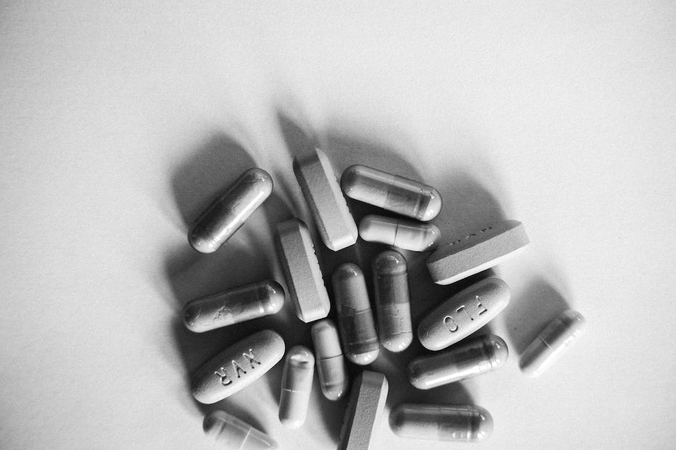
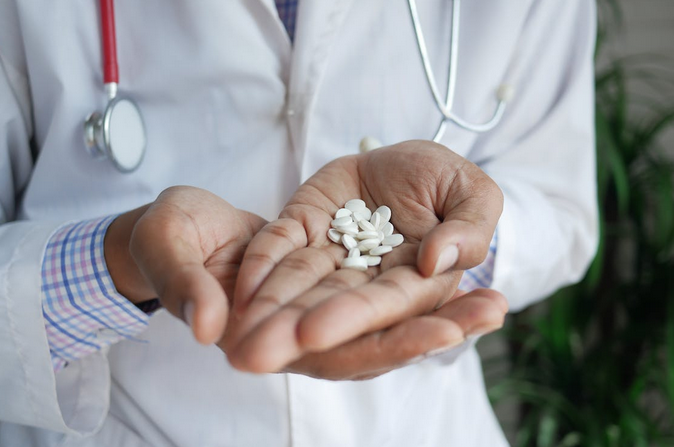


 Stress is known to have a detrimental effect on testosterone levels. When stressed, your body releases cortisol, which inhibits testosterone production. So it is very crucial to find ways to manage stress effectively. One of the best ways to reduce stress is through regular exercise. Physical activity not only helps release endorphins (feel-good hormones) but also promotes better sleep, which in turn reduces stress levels. Another effective way to manage stress is by practicing relaxation techniques. These practices help calm the mind and relax the body, reducing cortisol levels and allowing testosterone production to flourish.

 Taking a proactive approach to your health journey can empower you and give you back control over your well-being. Instead of waiting for symptoms or illnesses to arise, being proactive means actively seeking ways to maintain optimal health. By embracing a proactive health journey, you become the driver of your own physical and mental wellness.
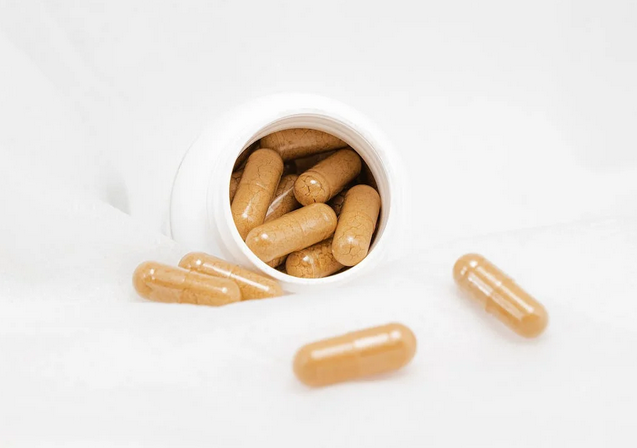
 Zinc is essential for immune function, wound healing, and cell growth and division. It is found in foods like oysters, beef, and pumpkin seeds, but taking a zinc supplement can be beneficial if you’re not getting enough in your diet.
 Bleeding is one of the most common signs that something has gone terribly wrong with your hemorrhoids. Hemorrhoidal
  If you are experiencing any discomfort related to your hemorrhoids, and it has been more than a week, it is time to seek medical care. This is especially true if the discomfort is severe. Discomfort from hemorrhoids can include pain, itching, and burning. These symptoms can make it extremely painful to sit, walk, or even sleep. Some people also often need to scratch their anus, leading to further irritation and pain. If you are experiencing any of these symptoms, don’t wait – get help today.
 Another sign that it is time to seek medical care for your hemorrhoids is changing skin color or texture around the anus. These changes can include darkening of the skin, bumps, or lumps. These changes can be indicative of more serious problems, such as cancer. That’s why you can’t afford to ignore them. If you notice any changes in the skin around your anus, make an appointment with your doctor right away.
 One of the most serious side effects of taking weight loss pills is damage to your heart. Weight loss pills stimulate your nervous system, leading to increased heart rate and high blood pressure. This can put a lot of strain on your heart and potentially lead to heart failure. If you have any pre-existing heart conditions or are at risk for developing heart disease, you must speak with your doctor before taking weight loss pills.
 One of the possible side effects of taking weight loss pills is feeling dizzy. This can happen because the pills can cause your blood pressure to drop. If you feel dizzy, sit or lie down and drink plenty of fluids. Other possible side effects may include headache, dry mouth, and trouble sleeping. If you experience any of these side effects, talk to your doctor. They can help you decide if the pills are right for you. Remember, weight loss pills are not a magic bullet. They can help you lose weight, but they won’t do it alone. You’ll still need to eat a healthy diet and exercise regularly. With a little effort, you can reach your weight loss goals.
 The first step to eating for a healthy brain is to never skip breakfast. A balanced breakfast includes protein, healthy fats, and complex carbohydrates. Protein helps to build and repair cells, including those in the brain. Healthy fats are essential for keeping the brain functioning properly. And complex carbs provide the body with energy to power through the day. A great breakfast option is egg and avocado toast which has all these three essential nutrients.
 Fruits and vegetables are packed with essential nutrients for a healthy brain. These include vitamins, minerals, antioxidants, and phytochemicals. Vitamin C is necessary for the formation of neurotransmitters and the maintenance of brain cells. Antioxidants protect the brain from damage caused by free radicals. And phytochemicals help to protect the brain from age-related damage. So, include plenty of fruits and vegetables in your diet.
 Did you know that studies have shown a connection between processed foods and cognitive decline? Processed foods oftentimes contain an excessive amount of sugar, along with unhealthy fats and sodium. These ingredients can damage the brain and lead to cognitive decline. So, it’s best to avoid processed foods as much as possible. Instead, focus on eating whole, unprocessed foods. And when it comes to drinks, sugary drinks should be avoided as they can cause damage to the brain. Stick to water or unsweetened tea and coffee instead.
 One of the most important things you can do to control your cravings is to ensure you’re eating enough
  If you’re trying to lose weight, you may be tempted to use artificial sweeteners to satisfy your sweet tooth without all the calories. However, research has shown that artificial sweeteners can trigger cravings for sugary foods. So if you find yourself craving sweets, it’s best to avoid artificial sweeteners altogether. Instead, opt for natural sweetness from fruits or honey.
 It’s pretty clear that sugary drinks and junk food are bad for you. They’re high in calories and low in nutrients, and they can lead to weight gain and other health problems. But sometimes, it’s hard to resist the cravings for these foods. If you find yourself craving junk food or sugary drinks, try to substitute them with healthier options like fruits or vegetables. And if you’re craving something sweet, try a healthy smoothie or yogurt instead.
 The fact that we live in such a fast-paced and stressful world can lead to some unhealthy eating habits. When stressed, we often turn to comfort food to make us feel better. But these comfort foods are usually high in fat and calories, and they can make our stress levels worse. If you find yourself stress-eating, try to find other ways to relax and cope with your stress. Take a hot bath, read a book, or go for a walk. And if you are craving comfort food, try to make healthier choices like grilled chicken or fish instead of fried food.
 The first and most crucial step in adequately selecting supplements for your body is always to visit your doctor. Only a professional will be able to tell you what your body needs based on various factors such as your age, weight, height, health history, etc.
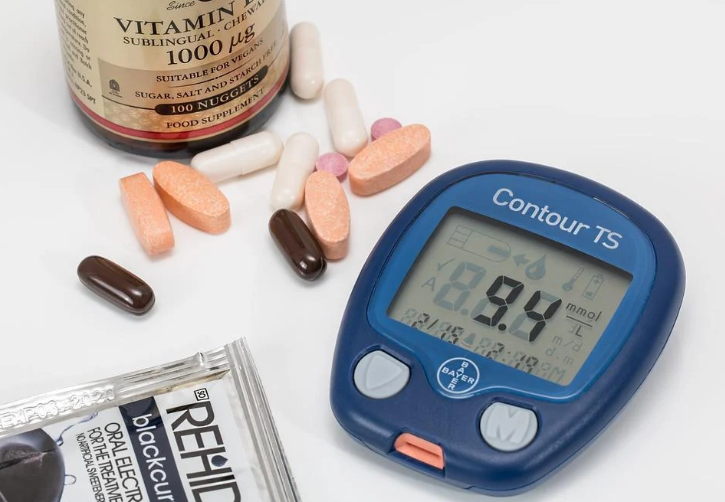 Once you’ve found an FDA-approved supplement, the next step is to check the ingredients for potential allergies and harmful side effects. Even if a supplement is FDA-approved, that doesn’t mean it’s completely safe.
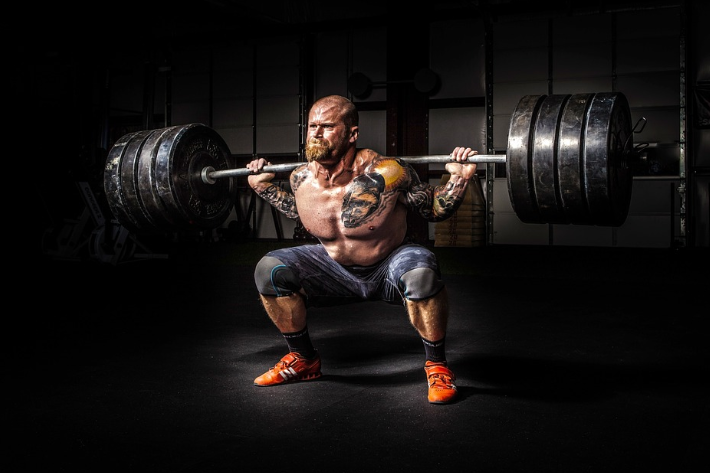
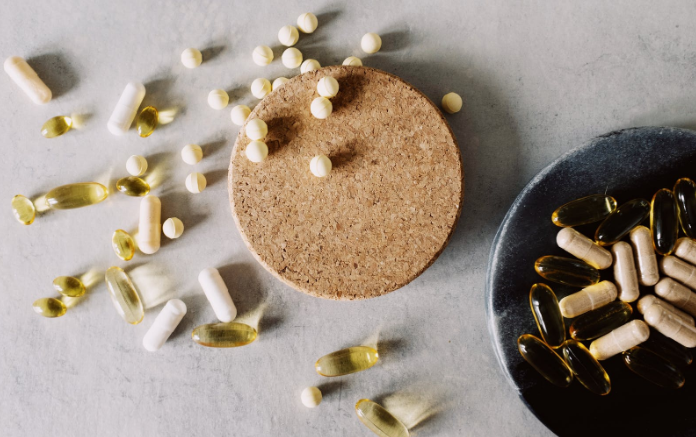 Athletes use supplements to support their bodies while performing their rigorous activities. While some athletes may take the best testosterone booster, others focus on taking supplements that help maintain healthy levels of testosterone. Supplements are not just limited to professional athletes; even amateur and recreational athletes can benefit from using them.

 One of the most significant benefits of eating seafood is that it can help to boost your memory. This is because omega-three fatty acids play a role in improving blood flow and brain function. In one study, people who ate fish every day were found to have a significantly lower risk of developing Alzheimer’s disease. The same study also found that those who ate fish regularly were less likely to experience age-related memory decline. Salmon, tuna, and mackerel are the best seafood you can eat to boost your memory, as they are rich in omega-three fatty acids and have been shown to improve brain function.
 The best part about seafood is that it provides high levels of antioxidants. Antioxidants are essential for the body as they help to protect cells from damage. In fact, the oxygen-rich environment of the sea helps to produce high levels of antioxidants in seafood. In one study, people who ate fish every day were found to have a significantly lower risk of developing cancer. The same study also found that those who ate fish regularly were less likely to experience heart disease and stroke. This is why seafood is often considered to be a superfood. Some of the best seafood you can eat for its antioxidant content include shrimp, lobster, and crab.