
Low Testosterone Symptoms and Solutions: A Comprehensive Guide

Testosterone is more than just a buzzword in the fitness world; it’s a vital hormone that plays a crucial role in many aspects of our health. From muscle growth and energy levels to mood regulation and sexual function, testosterone impacts how we feel and perform every day. However, as men age or face certain lifestyle challenges, testosterone levels can dip significantly. While some may brush off symptoms like fatigue or mood swings as part of getting older, low testosterone could be the underlying culprit. Understanding these changes is essential for taking control of your well-being. Let’s dive into the signs you might be experiencing low testosterone and explore effective solutions to boost those levels back up to where they belong.
Understanding Testosterone and its Role in the Body
 Testosterone is a steroid hormone produced mainly in the testes for men and in smaller amounts in women’s ovaries. It plays an essential role from puberty onward, influencing physical development and maintenance of male characteristics. This hormone is crucial for muscle mass, bone density, and fat distribution. It also significantly impacts mood, energy levels, libido, and cognitive function.
Beyond these physical traits, testosterone helps maintain overall vitality. Low levels can lead to fatigue or depression because it influences neurotransmitters that regulate mood.
Common Symptoms of Low Testosterone
Low testosterone can manifest in various ways, often impacting both physical and emotional well-being. One of the most noticeable symptoms is a decrease in energy levels. Many men report feeling fatigued or lethargic, even with adequate rest. Changes in mood are also common. Individuals may experience increased irritability, depression, or anxiety without any apparent cause. This shift can be confusing and frustrating. Physical changes might include reduced muscle mass and strength. Those affected may notice it’s harder to maintain their fitness routine or build muscle despite regular exercise.
Factors That Contribute to Low Testosterone
Low testosterone can be influenced by various factors. Age is a primary contributor, as testosterone levels naturally decline with advancing years. Men in their 30s and older often experience this decrease. Lifestyle choices play a significant role too. Poor diet, lack of exercise, and excessive alcohol consumption can lead to hormonal imbalances. Stress accumulates over time and contributes negatively to hormone production. Medical conditions are another critical factor. Obesity, diabetes, and chronic illnesses can all interfere with the body’s ability to produce testosterone effectively. Certain medications may also impact levels. Some prescriptions for pain relief or depression have side effects that lead to lower testosterone.
Solutions for Improving Testosterone Levels
Boosting testosterone levels can be approached from various angles. One effective way is to focus on diet and nutrition. Incorporating nutrient-rich foods like lean meats, nuts, and leafy greens can provide the essential building blocks for hormone production. Exercise also plays a crucial role. Regular strength training and high-intensity interval workouts not only help maintain a healthy weight but stimulate testosterone release as well. For some individuals, hormone replacement therapy might be a viable option.
Diet and Nutrition
Diet plays a crucial role in maintaining healthy testosterone levels. A balanced intake of nutrients can significantly influence hormone production. Incorporating healthy fats is essential. Foods like avocados, nuts, and olive oil provide the necessary building blocks for testosterone synthesis.

Exercise and Weight Management
Regular exercise plays a crucial role in boosting testosterone levels. Engaging in strength training, like lifting weights, can increase hormonal production. Compound exercises such as squats and deadlifts are particularly effective. Cardiovascular workouts also contribute to hormone balance. Activities like running or cycling help reduce body fat, which is linked to lower testosterone levels when excessive. Maintaining a healthy weight supports not only testosterone but overall well-being.
Hormone Replacement Therapy
Hormone Replacement Therapy (HRT) is a common approach for men experiencing significantly low testosterone levels. It involves the administration of synthetic hormones to restore balance in the body. This therapy can come in various forms, including injections, patches, gels, or pellets. Each method has its benefits and potential drawbacks. The choice often depends on individual preferences and medical advice.
Natural Remedies for Boosting Testosterone
Exploring natural remedies for boosting testosterone can be an empowering journey. Many people turn to everyday foods and lifestyle changes that may enhance hormone production. Zinc is vital for testosterone levels, found in foods like oysters, pumpkin seeds, and spinach. Incorporating these into your diet could offer a boost. Vitamin D also plays a key role. Sun exposure or supplements can help maintain optimal levels.
In Conclusion
Low testosterone can significantly affect your quality of life. Understanding the symptoms and causes is crucial for anyone experiencing these challenges. Addressing low testosterone involves a combination of lifestyle changes, such as improving diet and increasing physical activity, along with exploring medical options like hormone replacement therapy if needed.…


 Delayed or early puberty can cause concern for parents and individuals experiencing these changes. It is not uncommon for teenagers to compare themselves with their peers, especially during this stage of life when physical appearance plays a significant role in self-esteem. For some, delayed puberty may be attributed to hormonal imbalances or underlying medical conditions such as hypogonadism or Turner syndrome.
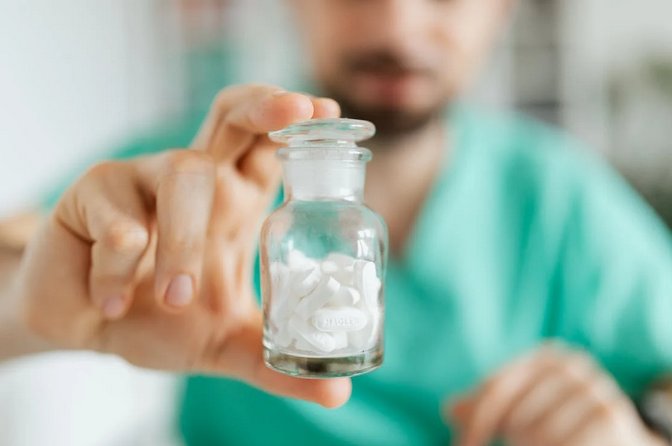
 Stress is known to have a detrimental effect on testosterone levels. When stressed, your body releases cortisol, which inhibits testosterone production. So it is very crucial to find ways to manage stress effectively. One of the best ways to reduce stress is through regular exercise. Physical activity not only helps release endorphins (feel-good hormones) but also promotes better sleep, which in turn reduces stress levels. Another effective way to manage stress is by practicing relaxation techniques. These practices help calm the mind and relax the body, reducing cortisol levels and allowing testosterone production to flourish.
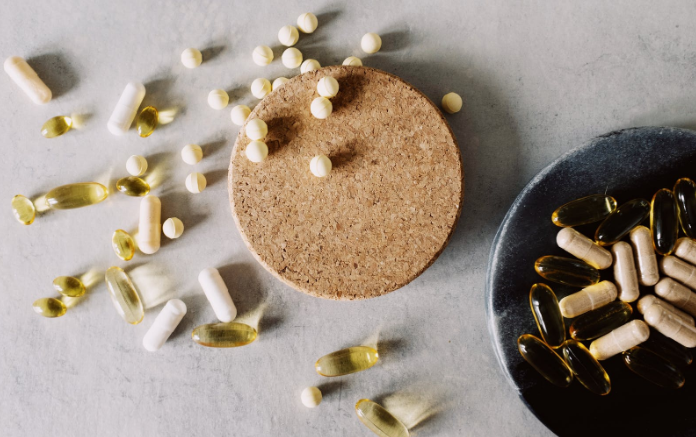 Athletes use supplements to support their bodies while performing their rigorous activities. While some athletes may take the best testosterone booster, others focus on taking supplements that help maintain healthy levels of testosterone. Supplements are not just limited to professional athletes; even amateur and recreational athletes can benefit from using them.

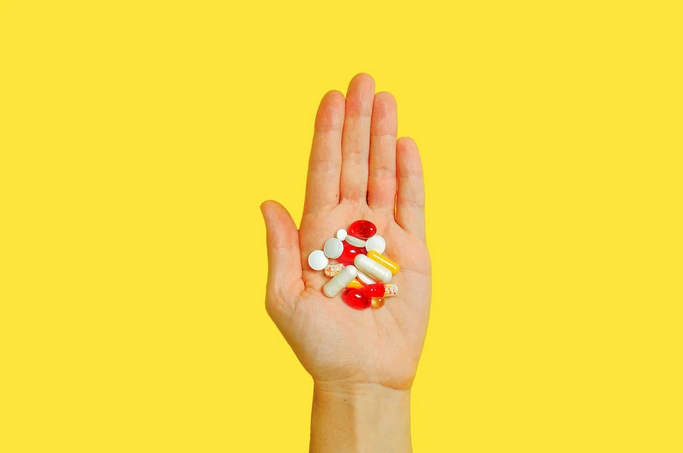 If you want to see results, you must be taking the correct dose of your fat burner. Too little, and you won’t see any benefits, but too much could be dangerous. Always follow the instructions on the label and never take more than what is recommended. If you do not see the results you want, consider increasing your dose slowly to see if that helps.
 To see results from your fat burner pills, you also need to do regular exercise. Cardio is a great way to help burn off excess body fat and increase your metabolism. Strength training is another essential part of any weight loss program as it helps build muscle mass, which burns more calories even when you’re not working out. Remember, the more muscle mass you have, the higher your metabolism and the easier it is to lose weight!